Hair Type Guides
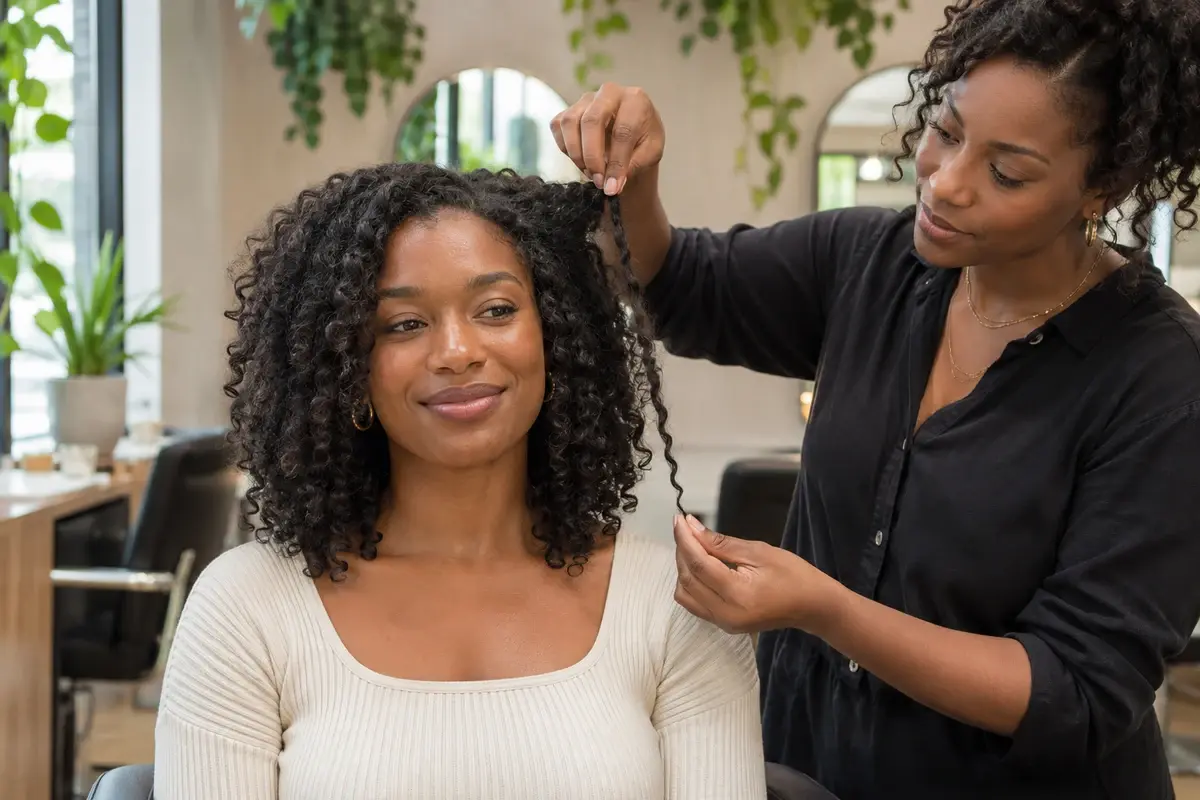
How to Choose a Haircut You Wear Curly and Straight
Choose a haircut for both curly and straight styling by prioritizing your usual finish, recording dry endpoints, and agreeing on acceptable compromises.
6 min read

Author Profile
Blog author, Hair Fairy
Read Diane Bennett’s Hair Fairy articles on comparing haircut options, planning transitions, and communicating practical hair preferences at the salon.
Editorial Focus
Diane Bennett writes Hair Fairy guides about haircut decisions, everyday hair routines, and preparing clear questions for a hairstylist.
Experience & Expertise
Haircut comparison, salon planning, and responsible use of visual hairstyle previews.
Recent Writing
Choose a haircut for both curly and straight styling by prioritizing your usual finish, recording dry endpoints, and agreeing on acceptable compromises.

Plan an ear-tuck haircut by testing front-section reach, your usual part, dry texture, and comfort before agreeing on shorter sides or face framing.

Compare above-shoulder, shoulder-skimming, and longer cuts when your ends turn outward, using dry length, ordinary movement, and styling tolerance.

Confirm salon preparation instructions, document your everyday curls, and bring a dry-length brief for a useful curly haircut consultation.
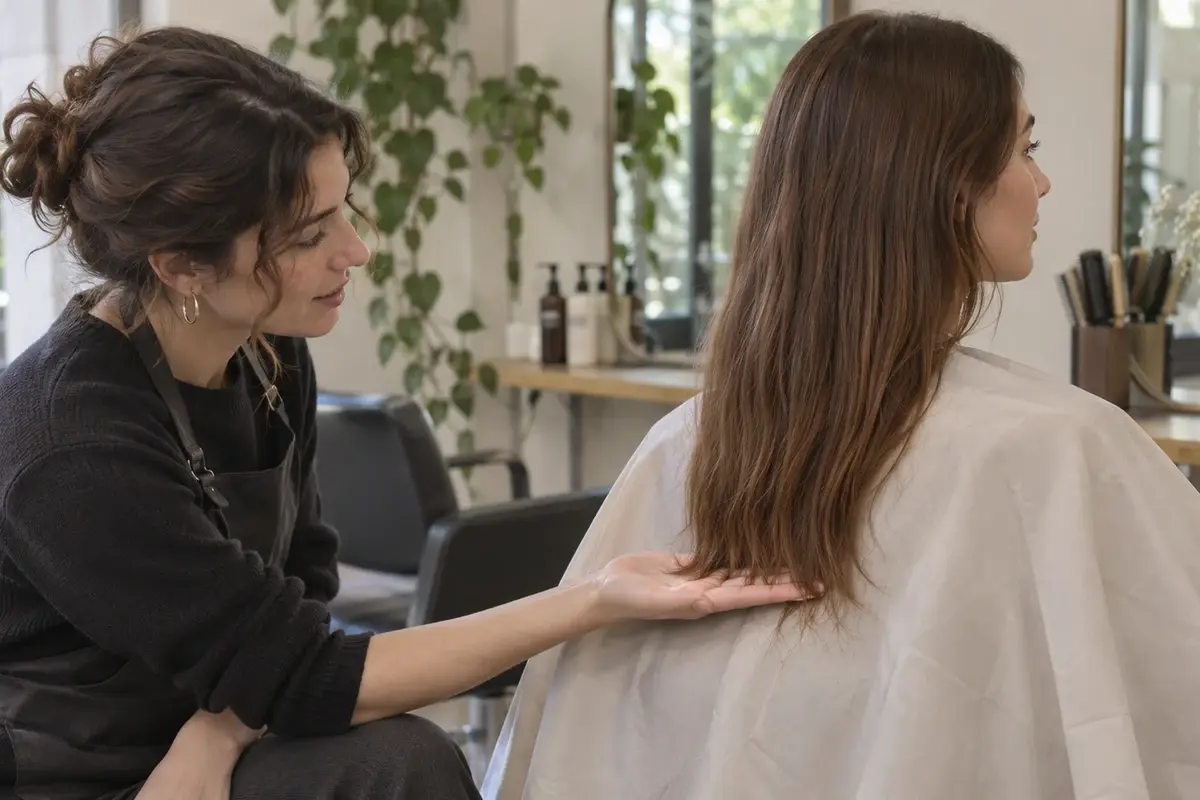
Prepare a trim plan that separates visible end damage, length priorities, and staged removal without assuming every rough end needs a major cut.
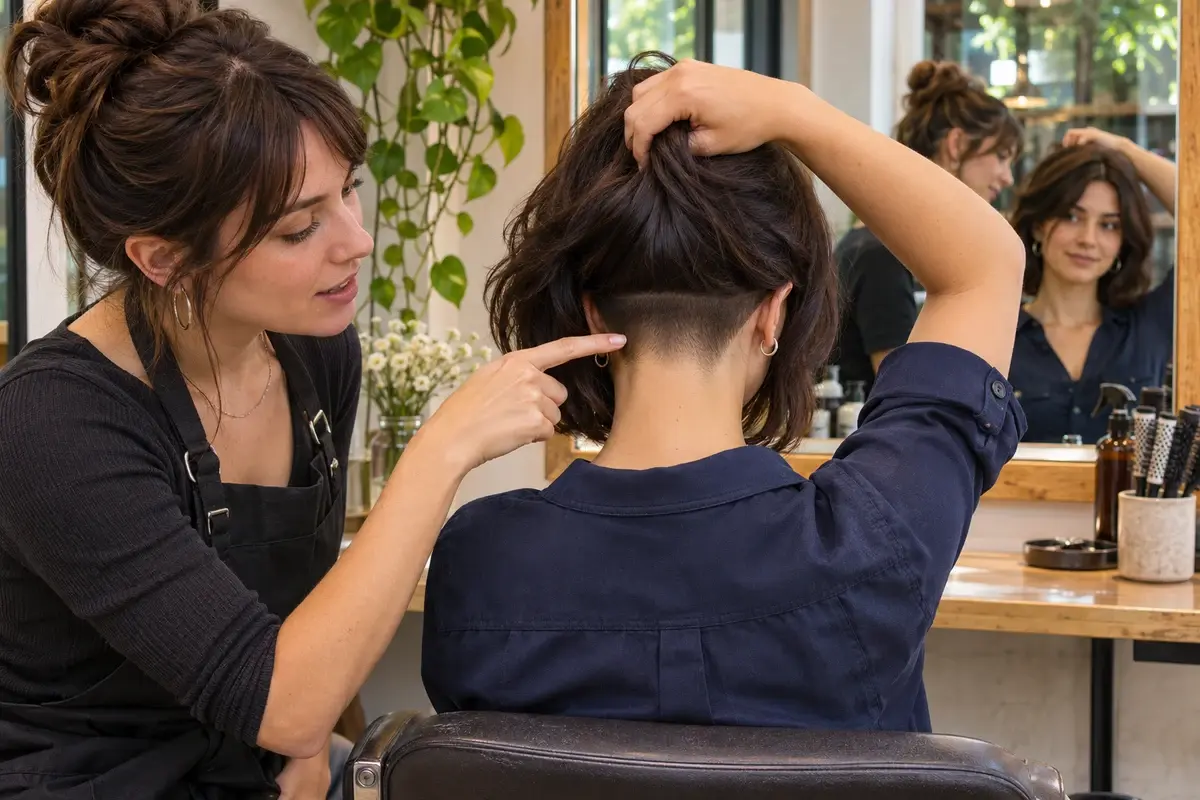
Compare undercut placement, coverage, upkeep, and grow-out before agreeing a clipped section with your hairstylist.

Plan a haircut for growing out gray hair by mapping dyed lengths, setting a minimum dry length, comparing staged removal, and separating cut from color choices.
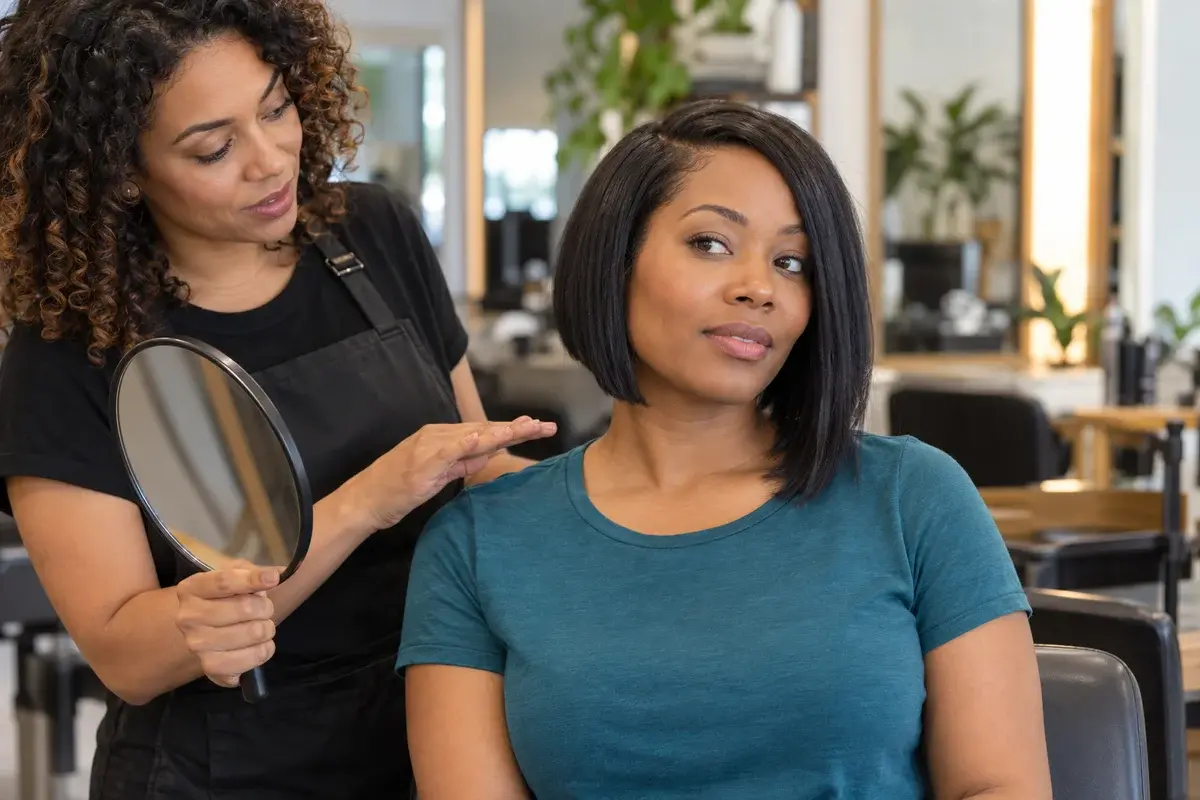
Choose an asymmetrical haircut by testing a temporary side imbalance, mapping both dry endpoints, checking routine, and planning upkeep and grow-out.

Grow out unwanted layers by mapping their dry endpoints, choosing a length tradeoff, agreeing selective trims, and tracking a fuller-looking perimeter.

Choose a middle or side part by observing natural fall, comparing the same haircut, testing everyday wear, and confirming part flexibility with your stylist.
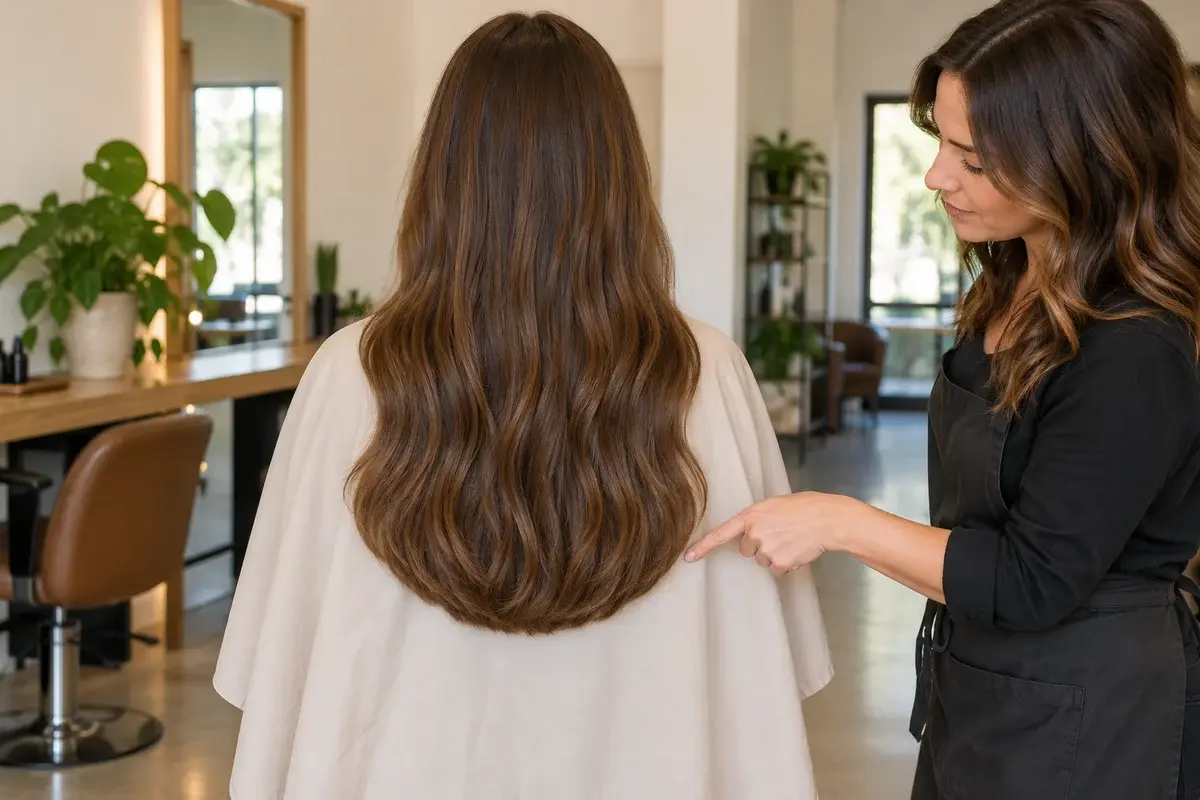
Compare U-shaped and V-shaped haircuts by back outline, shortest side length, visible fullness, texture, and the changes needed to return to a straighter edge.
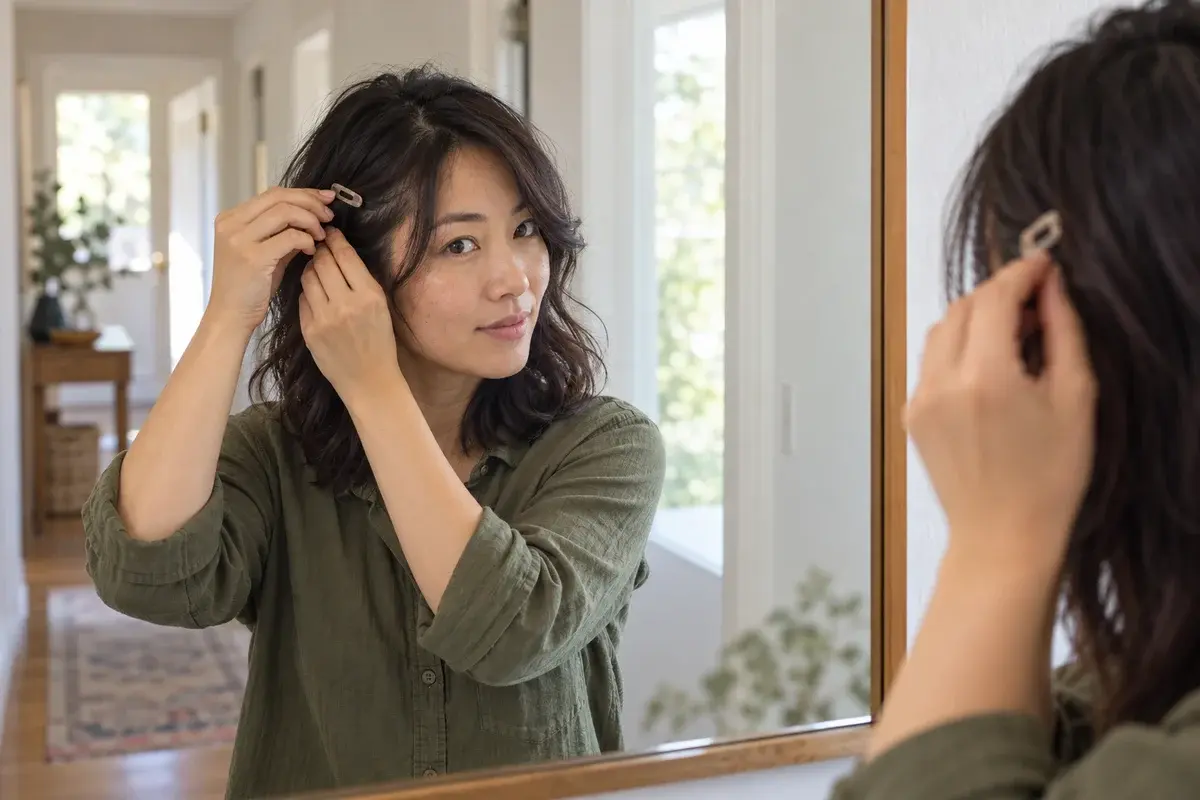
Grow out bangs with a clear length goal, comfortable ways to keep hair out of your eyes, a selective salon plan, and progress checks in your usual texture.