
Hair Type Guides
How to Choose a Haircut for Air-Drying: 4 Practical Checks
Choose an air-dry haircut by observing your usual dry pattern, defining an acceptable finish, comparing silhouettes, and preparing a realistic salon brief.
7 min read


Author Profile
Editorial team, Hair Fairy
Hair Fairy Editorial is the team behind Hair Fairy’s women’s hairstyle guides. It translates haircut terminology, face-shape and hair-texture considerations, reference photos, and AI try-on results into practical guidance women can use when deciding what to ask for at the salon.
Editorial Focus
Hair Fairy Editorial writes and reviews Hair Fairy guides with a focus on realistic haircut decisions, clear salon communication, and styles that work beyond the inspiration photo. The team balances visual ideas with texture, maintenance, and everyday wear.
Experience & Expertise
Women’s haircut selection, face-shape and texture considerations, salon-reference planning, maintenance trade-offs, clear stylist communication, and responsible use of AI hairstyle previews as decision aids rather than guarantees.
Recent Writing
Choose an air-dry haircut by observing your usual dry pattern, defining an acceptable finish, comparing silhouettes, and preparing a realistic salon brief.
Keep the tie-back function you need by checking ponytail height, front layers, dry length, movement, and the salon plan before cutting.
Plan a pixie grow-out by protecting useful length, choosing an intermediate shape, managing the nape, and setting clear boundaries for salon reshaping.
Choose a pixie cut by setting the exposure, mapping hair behavior, comparing top and fringe shapes, and preparing a practical salon brief.
Compare seven cowlick-aware haircuts by growth direction, location, length, texture, styling routine, and maintenance.

Compare seven haircuts for long faces by side volume, length, texture, fringe, routine, and the features you want to emphasize.

Choose a haircut with glasses by mapping the frames, testing front hair details, checking your routine, and building a useful salon comparison.
Choose a bob by setting the dry length, comparing perimeter and layering, checking hair behavior, and preparing a clear salon brief.
Compare seven haircuts for straight hair by perimeter, movement, density, styling routine, length, and grow-out.
Decide where haircut layers should begin by defining the goal, mapping hair behavior, comparing layer zones, and writing a clear salon brief.

Choose a fringe by defining the visual change, checking hairline behavior, comparing lengths and openings, and planning daily upkeep and grow-out.
Compare seven haircuts for wavy hair by pattern visibility, density, length, styling routine, perimeter, and grow-out.

Compare seven curly haircut shapes by shrinkage, density, routine, length, grow-out, and how each option can be adapted.

Compare hairstyle previews fairly by holding your portrait constant, changing one feature at a time, rejecting invalid results, and scoring finalists.

Decide whether a pixie, bob, lob, or longer cut fits your goals by checking motivation, hair behavior, upkeep, grow-out, and visual comparisons.

Compare five leading AI hairstyle try-on apps for women in 2026, including their workflows, customization options, platforms, strengths, and limitations.
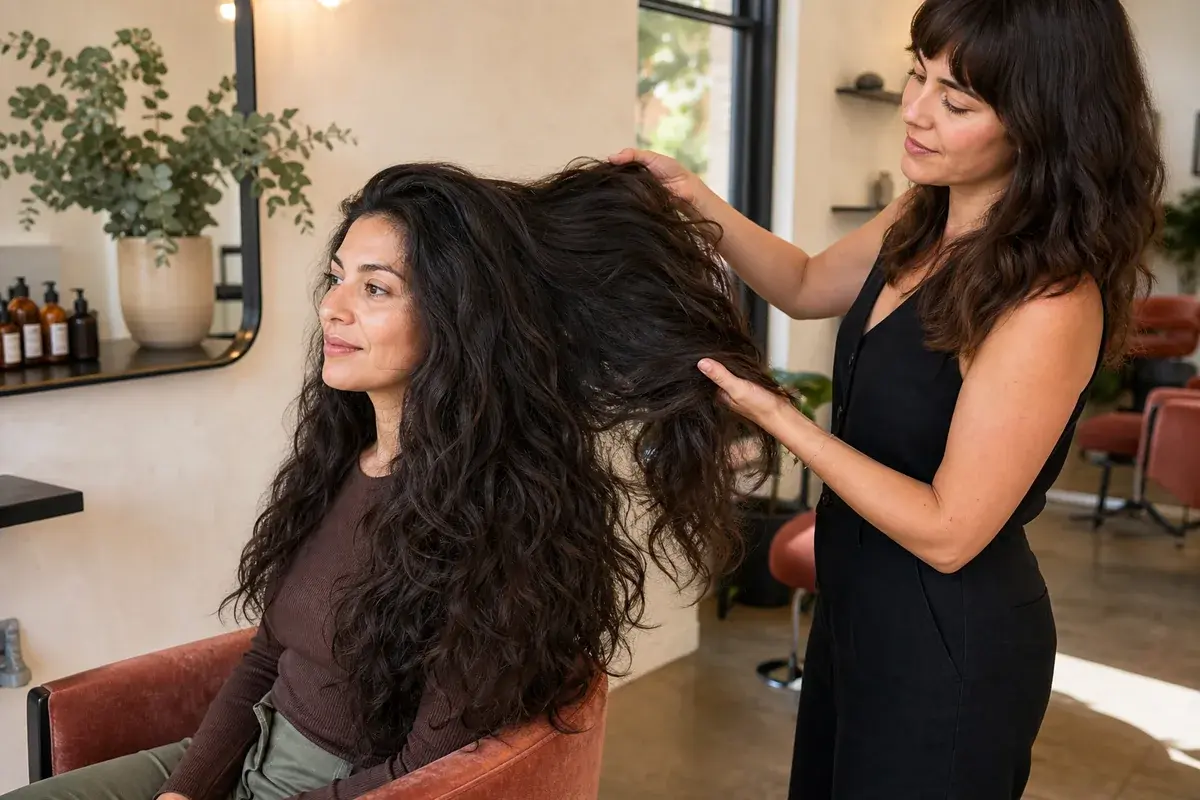
Compare seven adaptable haircuts for thick or dense hair by weight distribution, movement, texture, routine, and length commitment.

Prepare for a haircut consultation with a clear four-part brief covering references, priorities, routine, length, and the plan you agree on.
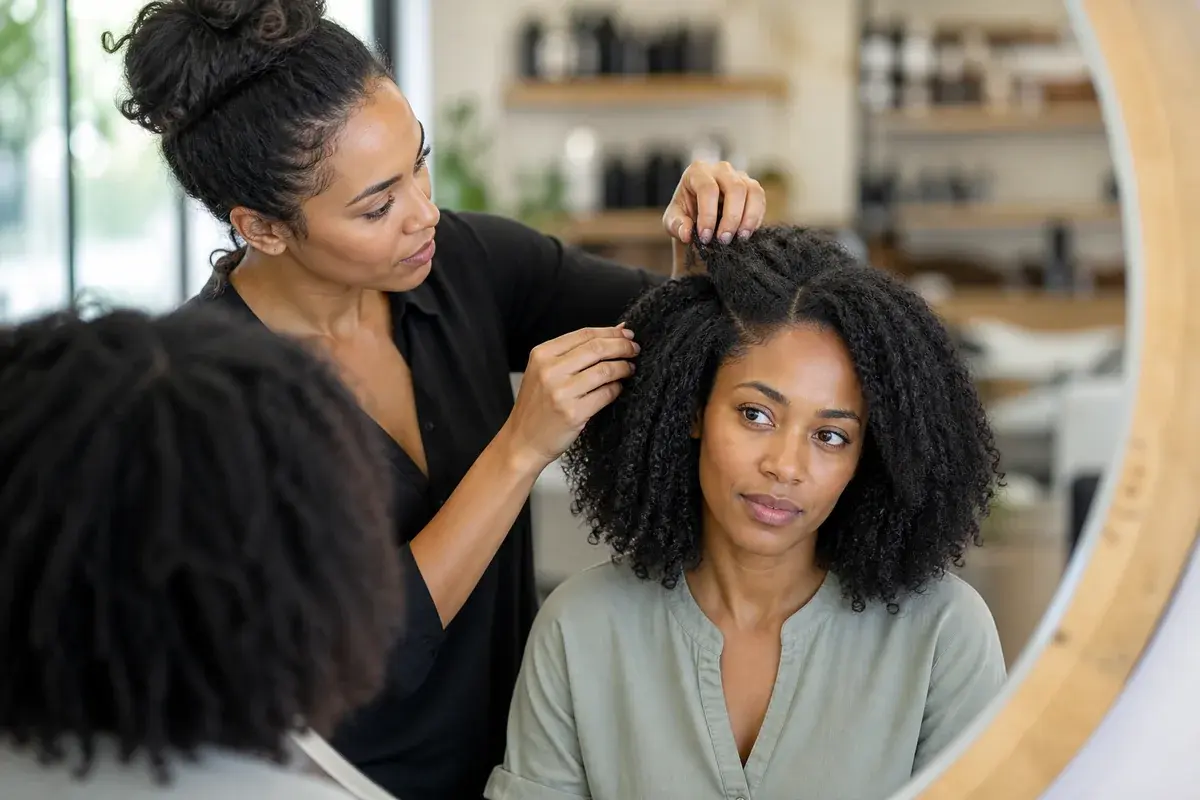
Separate strand diameter from density, inspect several dry strands, estimate overall density, and record the combination for better haircut decisions.
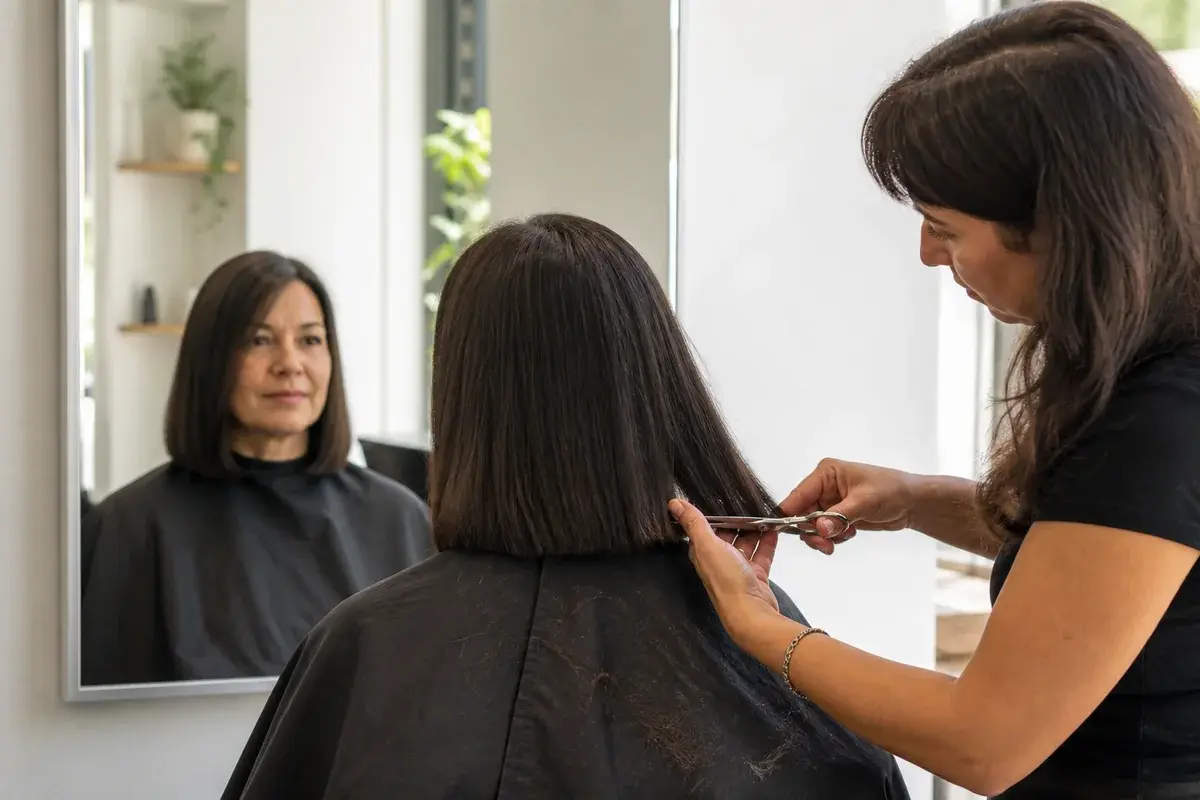
Choose a practical haircut interval by checking the shape, your length goal, hair condition, routine, and the signs that the cut needs attention.

Use a straight-on photo, compare facial proportions, check the jaw and hairline, and turn your face shape into flexible haircut guidance.
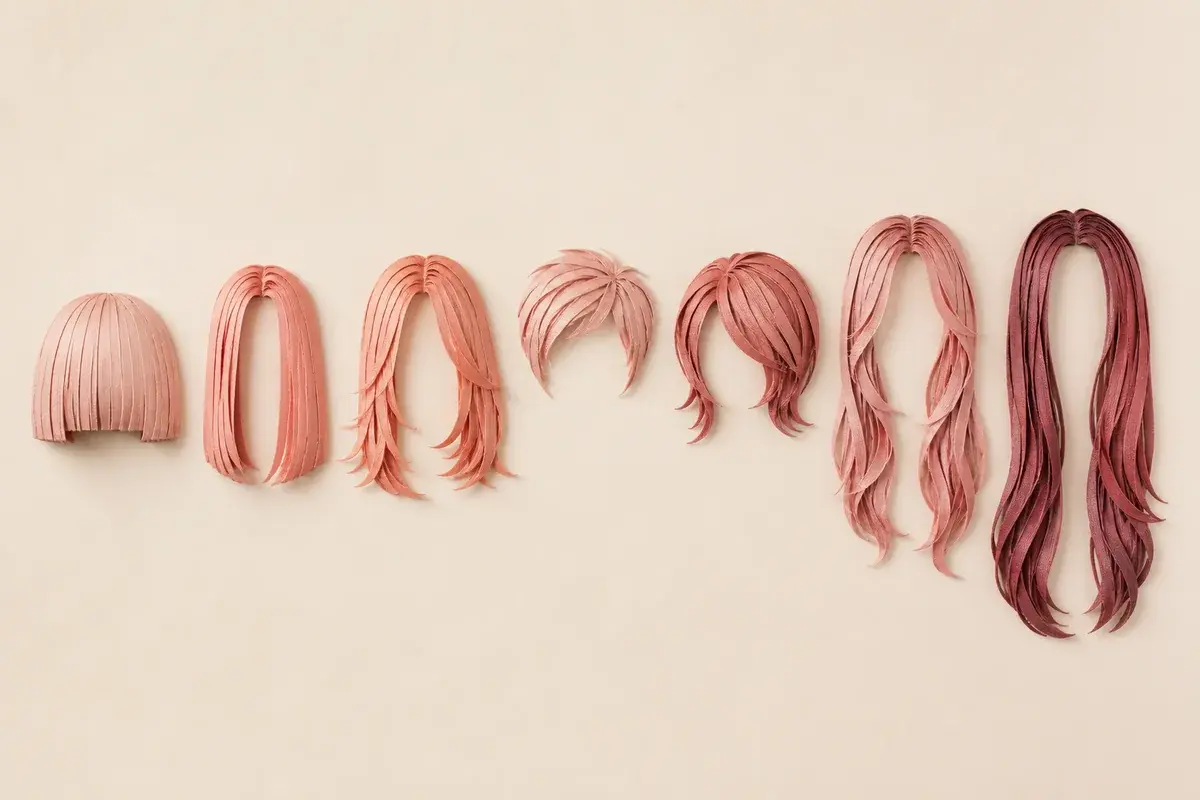
Compare seven haircuts for fine strands, including bobs, lobs, pixies, light layers, and longer cuts with a visually full perimeter.
Compare seven adaptable haircuts for round faces by length, texture, routine, emphasis, and styling tradeoffs.
Compare eight manageable haircuts by daily styling, salon upkeep, grow-out, texture, and tie-back needs.
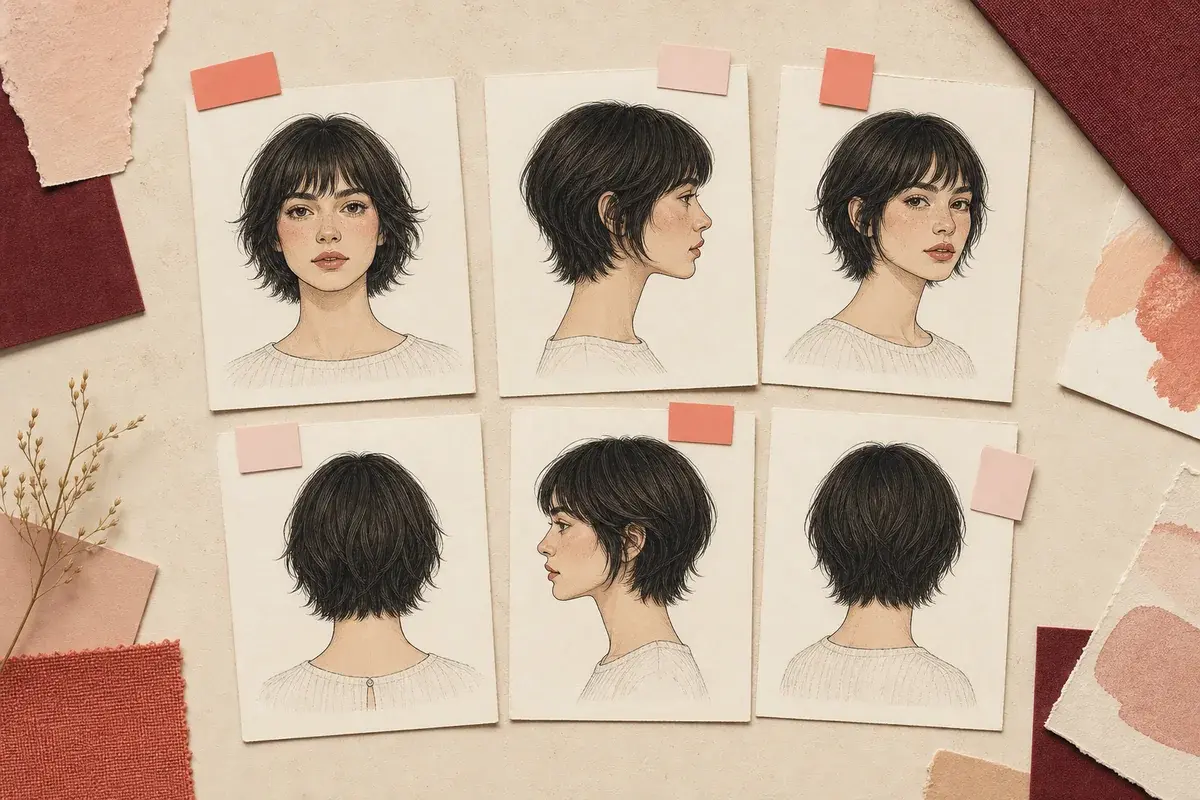
Build a useful set of haircut reference photos by isolating details, selecting clear angles, matching relevant hair traits, and adding practical notes.
Use four practical checks—visual goals, hair properties, routine, and commitment—to build a haircut shortlist that fits your life.
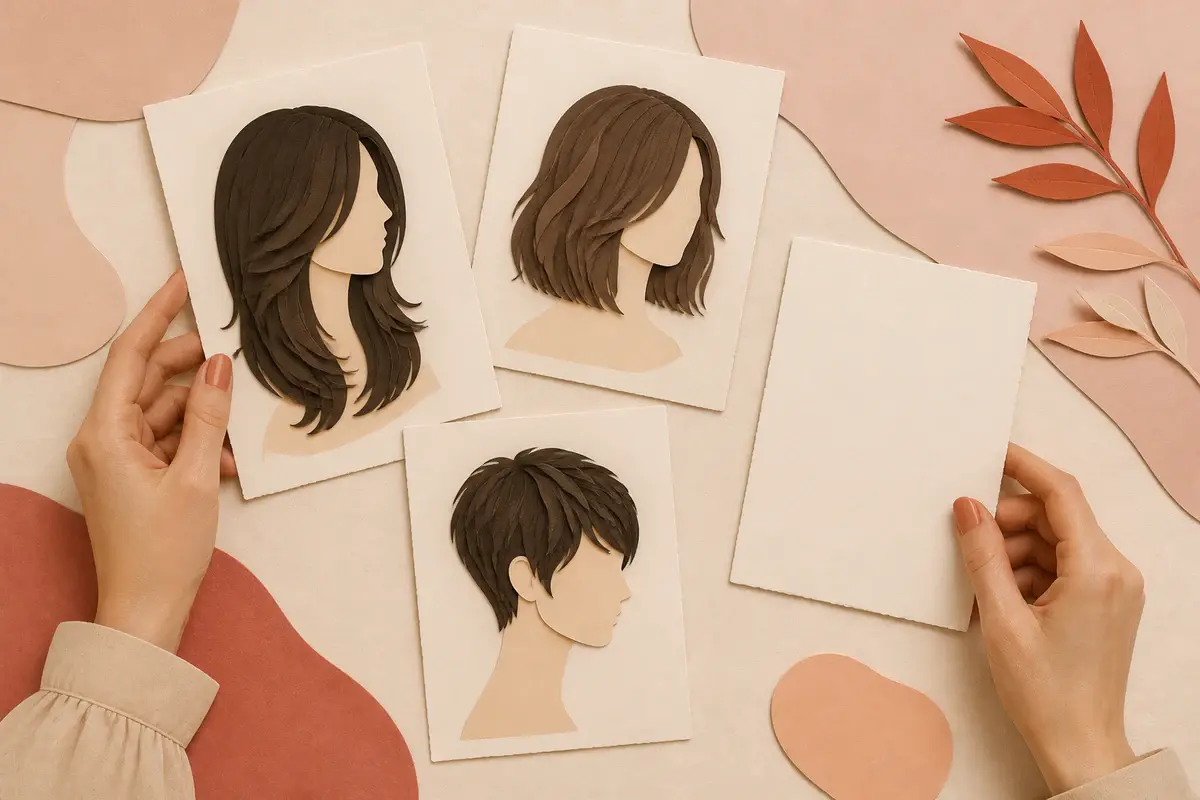
Learn how to choose a useful haircut reference, write a precise hairstyle brief, compare a preview, and prepare clearer direction for your stylist.